NSString initWithBytes:length:encoding instance method. A quick example. Uses a NSData object from the content of my blog’s first page and displays the string in an NSTextView outlet: The result: A variant, with a char array: The result:
Chasing Zombies in XCode 4
Ok, this will be a short one. Probably I will create a category like “code snippets and hints” to include all these small articles. This is about zombies in your coding projects and how to chase them. Enabling a project to trace zombies is different in XCode 4 than in previous versions. There is a […]
Core Animation documentation revisited
January brings updated documentation from Apple and I want to share the link to the completely rewritten Core Animation Programming Guide. The release notes include reference to a “Major revamp, reorganization, and expansion to cover modern Core Animation behavior in iOS and OS X”. Just in time, as some of my projects rely on this. […]
NSOutlineView — Inside Out 2
Some good months ago I started a series on NSOutlineView that I didn’t imagine it will stir such an interest. To my astonishment, googling NSOutlineView ranks my post fourth in the search, immediately after Apple’s official documentation and some other two links: This intriguing situation (nevertheless inspiring for me) might have to do with the […]
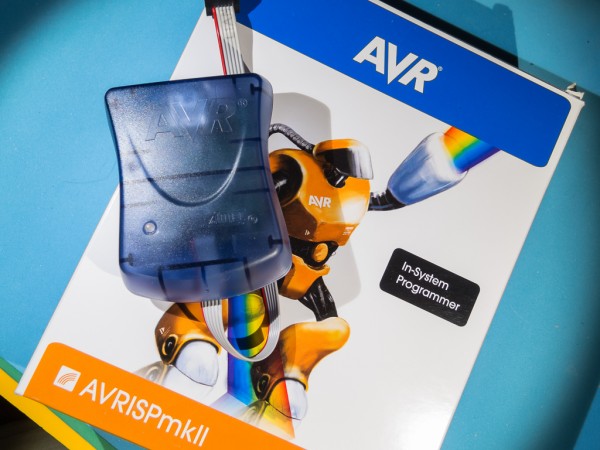
AVRISP mkII
Until recently I have extensively used my MacBook, AVRDude and USBTiny for my μController projects: Now I got myself a proper tool, the AVRISP markII, mostly because I wanted to use AVRStudio 6.0 features: Key features: Programs both flash and EEPROM Supports fuses and lock bit programming Upgradeable for future device support Supports target voltages from […]
XCode 4.3.3 – how to edit build settings
Working on my Logic Analyzer project, I wanted to setup a combined target structure in XCode, to have the complete E2E scenario built, from μC firmware to the cocoa libraries and application code. This means adding custom targets for μC build and upload. Well, as a short reminder, for now I am using a simple Arduino […]
Logic Analyzer!
…and not only software (maybe). OK, to keep things short, I got tired by limitations of my Saleae logic analyzer, especially on the software side so I decided to build one. This is my new project: a DIY logic analyzer that I will hopefully use to better extent in my other projects. First results promising. […]
NSOutlineView — Inside Out
This is the first part of a series I intend to maintain on NSOutlineView. Some NSOutlineView basics and a very simple example.
Going Low Level
Some time ago I have on boarded on a very ambitious project that I though could be overkill, nevertheless I have persevered in my ambition to prove it is doable. However, as I needed to dig a bit into Assembly language, I have gathered some resources I thought it might be useful to share here.
Texas Instruments SmartRF Studio Update 1.7.1
SmartRF™ Studio is a Windows application that can be used to evaluate and configure Low Power RF-ICs from Texas Instruments.
RFM12B Command Calculator for Mac
Inspired by this project for RFMB12 and needing a similar one for my Mac, I started to build one myself: Next – a version for iPad. Stay tuned. 😉
Redesigning the blog
I decided a need a new theme for this blog. Rolled my sleeves and started to work.
Keyboard shortcuts in XCode 4
First things first. Let’s present the navigator shortcuts. The Workspace Window has the following for areas: Opened with all areas active: Pressing cmd + 0 hides Project Navigator (left area): Pressing opt + cmd + 0 hides Utilities Area (right area): Pressing shift + cmd + Y hides Debug Area (bottom area). Always useful to […]
How to create Arduino brush for Syntax Highlighter
For my Arduino lessons I needed to add WordPress support for Arduino syntax highlighting. A custom brush for SyntaxHighlighter plugin that would format and color my Arduino syntax similar to the application (see here an example). This is what I did.
Globals and Singletons
My preferred approach to creation and maintaing global variables/ constants is by singletons and singleton instance[s]. Not only is an elegant method that adds compliance to a very important Cocoa design pattern, but also provides you a lot of flexibility.
Code for Weather Station prototype
I took some steps in learning the capabilities of Arduino Platforms. Below is the code of my Bluetooth-enabled temperature reader with OS X integration.